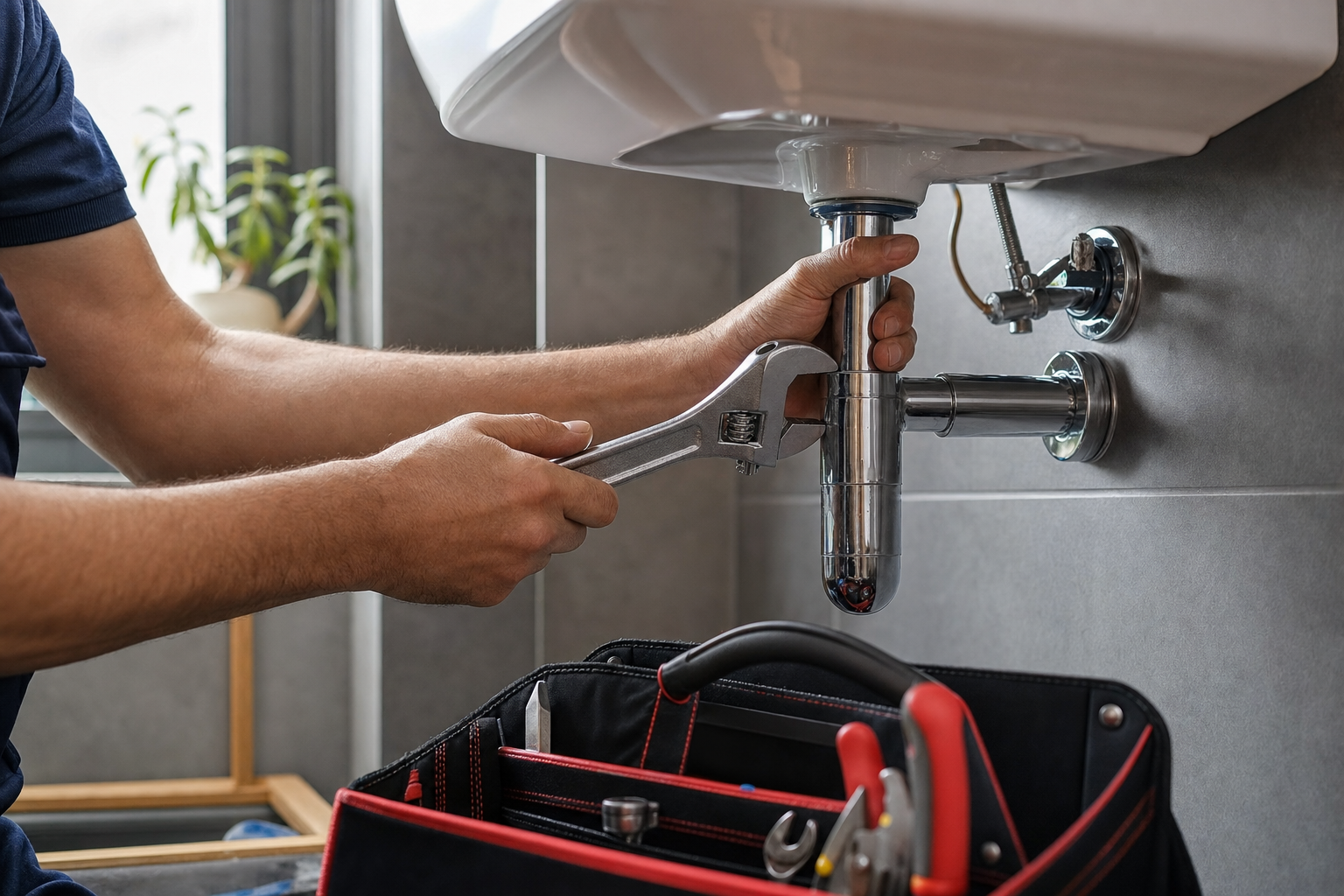
If you are dealing with water leaks in Dulwich, the safest approach is to act quickly, isolate the problem where possible and get the source checked before the damage spreads. At Thermal Titans, we help homeowners, landlords, tenants and property managers with practical leak support that starts with an enquiry, moves into assessment and diagnosis, and ends with repair, testing and clear advice on what to do next.
Water leaks do not always show up where the real problem is. A stain on the ceiling, damp patches near a skirting board, a drop in pressure, or a radiator that keeps losing water can all point to a hidden issue elsewhere in the property. In Dulwich, that might mean a pipe behind a wall, a leaking waste pipe under a bathroom, a faulty radiator valve, or a burst section of pipework in a loft or underfloor void. The aim is not just to stop the visible drip; it is to identify the cause and reduce the risk of repeat damage.
We provide leak detections in Dulwich, water leak repairs Dulwich, burst pipe repairs Dulwich, leaking radiator repairs Dulwich and leaking waste pipe repairs Dulwich. We also support related plumbing problems that can sit alongside a leak, including pressure loss, ceiling stains, hidden leaks and drainage-related water escape. If you need help, call 020 3633 5294 or request a visit today.
Thermal Titans works locally around Dulwich, including areas near Dulwich Park, Dulwich Village, East Dulwich Station, Lordship Lane and the Horniman Museum. That local focus matters because the type of property, the age of the pipework and the layout of the home can all affect how a leak is found and repaired.
Leak Detections in Dulwich
Leak detection is the first step when the source is not obvious. A leak may present as a damp patch, mould growth, a persistent smell of moisture, a warped floorboard, or water marks appearing below a bathroom or kitchen. In some homes, the first sign is simply a boiler or heating system losing pressure. In others, the leak is hidden behind tiles, under flooring, inside a cupboard, or above a ceiling.
Our process-led approach begins with your enquiry so we can understand the symptoms, where the leak is showing, and whether the problem is active or intermittent. From there, we carry out an assessment of the visible signs and the likely route of the water. This may include checking pipework, fittings, valves, radiator connections, waste lines and nearby fixtures. The goal is to diagnose the source as accurately as possible before any repair work begins.
For properties in Dulwich, that often means looking at the whole path of the leak rather than just the wet area. For example, water marks near a bedroom ceiling may be caused by plumbing in an upstairs bathroom. A patch of damp near a kitchen unit may come from a waste pipe joint, while a pressure drop could point to a hidden leak in the heating circuit. We explain what we find in plain English and outline the next practical step.
Common signs that suggest you may need leak detection include:
- unexpected water stains on walls or ceilings
- persistent damp patches or peeling paint
- pressure loss on a boiler or heating system
- dripping sounds with no visible source
- musty smells or mould around floors and skirting
- water pooling under radiators, sinks or appliances
If you are a landlord or property manager, early leak detection can help limit disruption for tenants and reduce the chance of secondary damage. If you are a tenant, it is often best to report the issue quickly and avoid disturbing the area until the source has been assessed.
Water Leak Repairs in Dulwich
Once the source has been identified, the next stage is repair. Water leak repairs in Dulwich can vary from tightening or resealing a joint to replacing a damaged fitting or pipe section. The repair depends on what has failed, where it is located and how much surrounding material has been affected.
We handle repair work with the same practical sequence: inspect, diagnose, isolate, repair, then test. That means we do not jump straight to a fix without understanding the cause. If a leak has affected flooring, plaster or a bathroom fitting, we will explain the likely scope of the work and any follow-up checks that may be needed once the repair is complete.
In the recent local work we have supported, a customer in Dulwich contacted us about water leaks and needed a straightforward diagnosis with safe checks and practical next steps. In another case, a tenant near East Dulwich Station reported water marks below an upstairs bathroom; the pipework was checked, the leak isolated and the affected fitting repaired before further damage spread. These are typical examples of the kind of issue we deal with: not dramatic claims, just careful fault-finding and sensible repair work.
After repair, we test the system again to make sure the leak has stopped and that the affected area is stable. We also give advice on drying out the space, watching for recurring signs and knowing when to call back if conditions change. This is especially important where leaks have been hidden for some time, because secondary damage can continue even after the source is fixed.
Water leak repairs may involve:
- isolating the affected section safely
- repairing or replacing faulty fittings
- sealing joints or connections
- checking surrounding pipework for related issues
- testing the repair and monitoring for further movement
For customers in Dulwich, especially in homes close to Dulwich Village or around Lordship Lane, we aim to keep repairs practical and proportionate to the problem. If a repair is likely to need follow-up work, we say so clearly.
Burst Pipe Repairs in Dulwich
A burst pipe is one of the most urgent plumbing problems because water can spread quickly through floors, ceilings and walls. If you suspect a burst pipe in Dulwich, the first priority is to stop the water supply if you can do so safely, then get the issue assessed as soon as possible.
Burst pipe repairs in Dulwich often involve visible flooding, a sudden loss of pressure, or water appearing in a place that has no obvious connection to the source. In colder weather, exposed or vulnerable pipework can split, but bursts can also happen because of wear, movement, corrosion or a failed joint. In older properties, the problem may be made worse by pipe routes hidden inside voids or behind finished surfaces.
Our approach is to diagnose the break, isolate the affected section and repair it in a way that suits the system and the property. Where needed, we check nearby fittings and pipework so that we are not dealing with one failure while missing another issue close by. After the repair, we test the area and explain what signs to watch for over the next few days.
Typical signs of a burst pipe include:
- rapid water escape or pooling
- a sudden drop in water pressure
- new damp patches appearing quickly
- water running through ceilings or down walls
- unusual sounds from pipework
If the leak has reached electrics, ceilings or floor coverings, further checks may be needed by other trades. We can help you understand the plumbing side first so you can make informed decisions about the next stage.
Because burst pipe damage can escalate quickly, landlords and property managers should act early if a tenant reports sudden water ingress. For homeowners, the key is to avoid delay and keep the affected area as controlled as possible until the source is repaired.
Leaking Radiator Repairs in Dulwich
Leaking radiators are common in both heating systems and older pipework runs. The leak may come from the valve, the bleed point, a joint, the pipe connection or the radiator body itself. Sometimes the leak is slow and shows as a wet patch beneath the radiator. In other cases, it is only noticed when pressure keeps dropping or the floor beneath starts to stain.
Leaking radiator repairs in Dulwich usually begin with isolating the radiator or affected valve area, checking the visible connection points and determining whether the issue is from a loose joint, a failed seal or a damaged component. In a recent East Dulwich job, a leaking radiator valve was dripping onto flooring; the valve area was isolated, the joint was tightened and follow-up repair options were explained to the customer. That is the kind of practical, step-by-step support we aim to provide.
Radiator leaks can create hidden damage if left unresolved, especially where the leak runs along skirting, under floor coverings or into a wall cavity. They can also affect heating performance and cause ongoing pressure loss if the system keeps losing water. After repair, we check the area again and explain whether any further attention is sensible, such as replacing a worn valve or monitoring the joint over time.
If you notice a radiator leak, look out for:
- water around the valve or pipe entry
- damp carpet or floorboards beneath the radiator
- pressure loss on the heating system
- rust or staining around fittings
- air needing repeated bleeding from the radiator
We also support related heating and plumbing work where a leak has affected the wider system, including central heating issues and boiler-related symptoms. If the leak is connected to a heating fault, it is important to diagnose both the plumbing and system side rather than treating only the visible drip.
Leaking Waste Pipe Repairs in Dulwich
Leaking waste pipes are often overlooked because the water may not appear immediately. Instead, you may notice smells, staining, or damp appearing below a sink, bath, shower or basin. Waste pipe leaks can be caused by loose joints, cracked sections, poor alignment, worn seals or movement in the pipework.
Leaking waste pipe repairs in Dulwich start with tracing the route of the leak and checking the fittings most likely to fail. This can include pipe joints under sinks, connections behind bathrooms, shower wastes, and any visible waste runs that may be seeping only when water is discharged. Because waste leaks can be intermittent, diagnosis is important before deciding on the repair.
In practice, waste pipe issues may show up as:
- water marks below a bathroom or kitchen
- bad smells from trapped moisture or waste residue
- damp cupboards beneath sinks
- drips that only happen when taps, baths or showers are used
- staining around pipe joints or waste connections
We check the affected area carefully, identify the cause and carry out the repair needed to stop the leak. If the surrounding materials have been affected, we will explain what to monitor and whether further drying or follow-up work is sensible. For tenants near East Dulwich Station or households around Dulwich Park, prompt reporting can prevent the leak from spreading into adjoining rooms or lower floors.
Waste pipe leaks are often straightforward once found, but they still need proper diagnosis. Replacing the wrong fitting or sealing the wrong joint can leave the underlying issue untouched. Our service is built around getting the source right first.
Thermal Titans also supports related local plumbing needs, including plumber, emergency plumbing, boiler repairs, boiler installations, central heating, underfloor heating, gas engineers and blocked drains. If the leak has caused wider plumbing issues, we can help you understand which service is appropriate.
For water leaks in Dulwich, the best next step is usually simple: call 020 3633 5294 and explain what you can see, where the water is appearing and whether the problem is active. We will take it from there with a practical assessment, diagnosis, repair, testing and advice.
Thermal Titans operates 24 hours and provides local support across Dulwich and nearby areas. If you need a leak checked, repaired or explained clearly, get in touch today by phone or email at info@emergency-plumbers-dulwich.co.uk.